University of North Texas

Justin Sprick, Ph.D.
The Cardiovascular Physiology Research Laboratory investigates how the cardiovascular
and nervous systems work together to regulate blood flow, respond to physiological
stress, and protect against vascular injury in humans. We use integrative approaches,
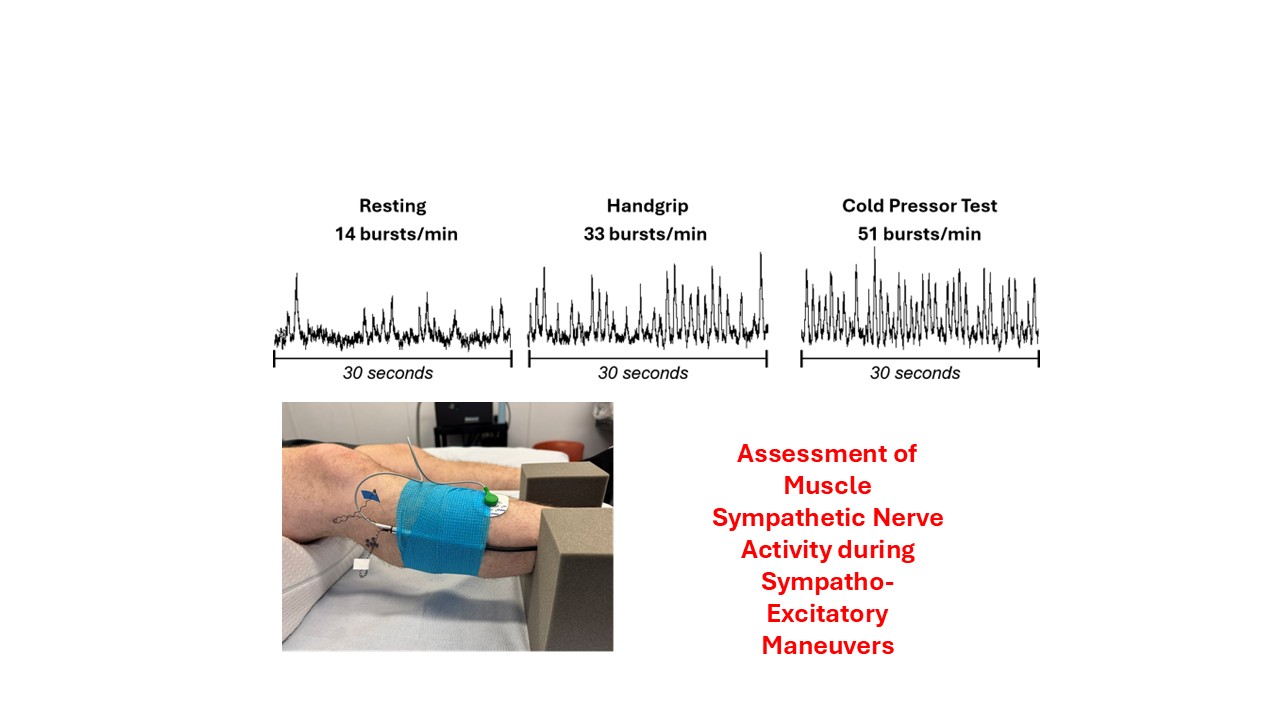
including microneurography, ultrasonography, and cell and molecular techniques, to
understand factors contributing to cardiovascular dysfunction and how targeted interventions
such as remote ischemic preconditioning can enhance resilience to ischemic injury.
Our research focuses on three interconnected areas: neurovascular regulation, including
sympathetic control of the circulation; regional blood flow regulation, including
control of renal and cerebral blood flow; and cardiovascular resilience, including
the mechanisms underlying ischemic preconditioning paradigms. By combining measurements
of sympathetic nerve activity, vascular function, and regional blood flow, we seek
to uncover strategies to preserve or improve cardiovascular function across health
and disease.
Our work is grounded in human integrative physiology, with studies designed to connect
fundamental physiological processes to clinically relevant cardiovascular outcomes.
Current Projects
Are you interested in being a participant in any of the current studies?
Contact Dr. Justin Sprick for more information.
Measuring How the Kidney Protects Its Own Blood Flow
Acute kidney injury is one of the most common serious complications of major surgery,
yet clinicians currently have limited ability to predict which patients are most vulnerable.
One challenge is that systemic blood pressure measurements do not necessarily reflect
how well blood flow within the kidney is being maintained. The kidney has its own
built-in protective mechanism, called renal autoregulation, which adjusts blood vessel
resistance to help maintain stable blood flow as blood pressure rises or falls. Although
this process is well characterized in animal models, it has not been directly quantified
in humans.
In collaboration with UNT Health, our lab is developing a noninvasive approach to
quantify renal autoregulation in humans by adapting analytical methods used to study
blood flow regulation in the brain. Establishing this approach could provide a new
way to identify patients who are particularly vulnerable to kidney injury, improve
our understanding of how the kidney responds to physiological stress, and ultimately
inform strategies to protect renal blood flow during surgery and other clinical conditions.
This project is funded by a UNT & UNT Health Interdisciplinary Team Sciences Award,
“Development of a Novel Method to Quantify Human Renal Autoregulation.”
Uncovering the Body’s Own Protective Signals
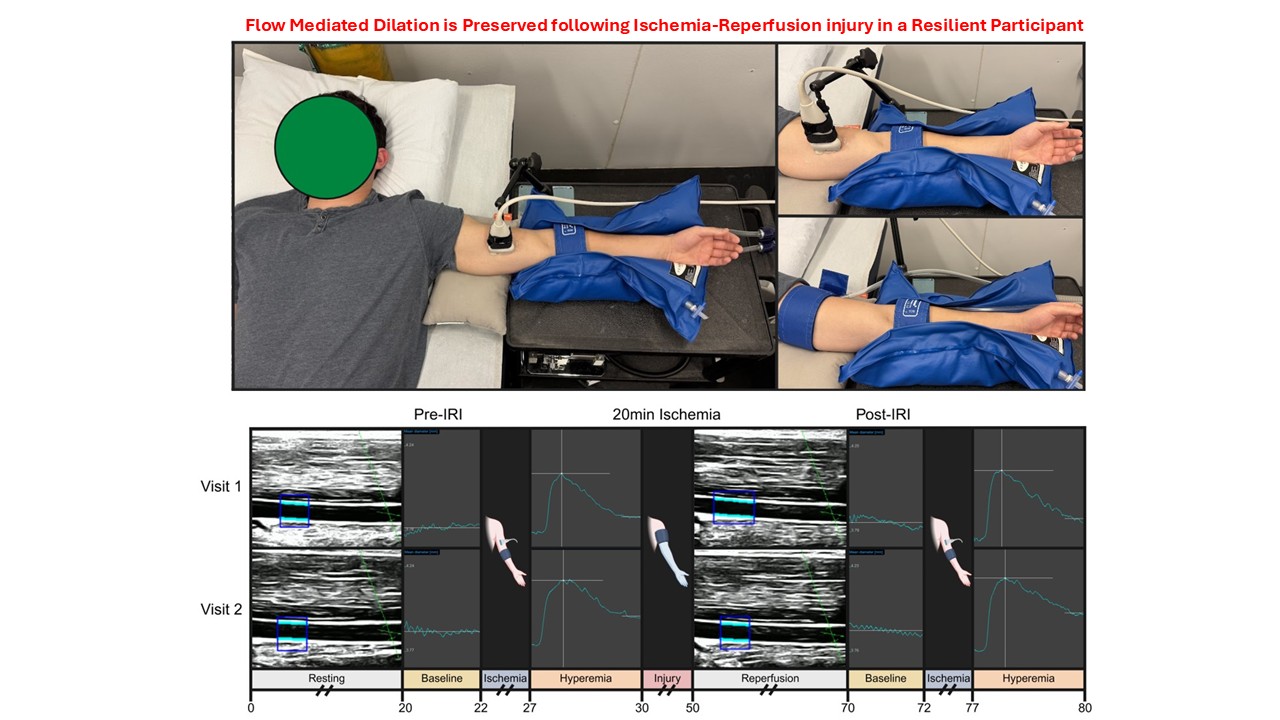
Remote Ischemic Preconditioning (RIPC) is a non-invasive intervention involving repeated
cycles of blood pressure cuff inflation that has been shown to protect the heart,
brain, and kidneys from injury in experimental models. However, large clinical trials
have produced mixed results, in part because we still do not fully understand the
biological signals responsible for its protective effects or why some patients benefit
while others do not.
Using intranasal naloxone (Narcan) as an experimental tool, our lab provided the first
evidence in humans that RIPC protects vascular function through endogenous opioids.
This study was published in the Journal of Applied Physiology and can be read here:
https://journals.physiology.org/doi/full/10.1152/japplphysiol.00913.2024
Building on this discovery, our current work seeks to determine where these opioids
originate, how they mediate protection, and why some individuals may produce insufficient
amounts or respond differently to them. Ultimately, these studies may help explain
why RIPC is more effective in some individuals than others and inform more individualized
approaches to implementing this intervention.
Why Kidney Disease Raises Stroke Risk
Patients with chronic kidney disease (CKD) face a substantially higher risk of stroke
than the general population, and when a stroke does occur, they tend to experience
worse recovery and higher mortality. Despite this elevated risk, it has remained unclear
whether the blood vessels supplying the brain are themselves affected by CKD, and
if so, why.
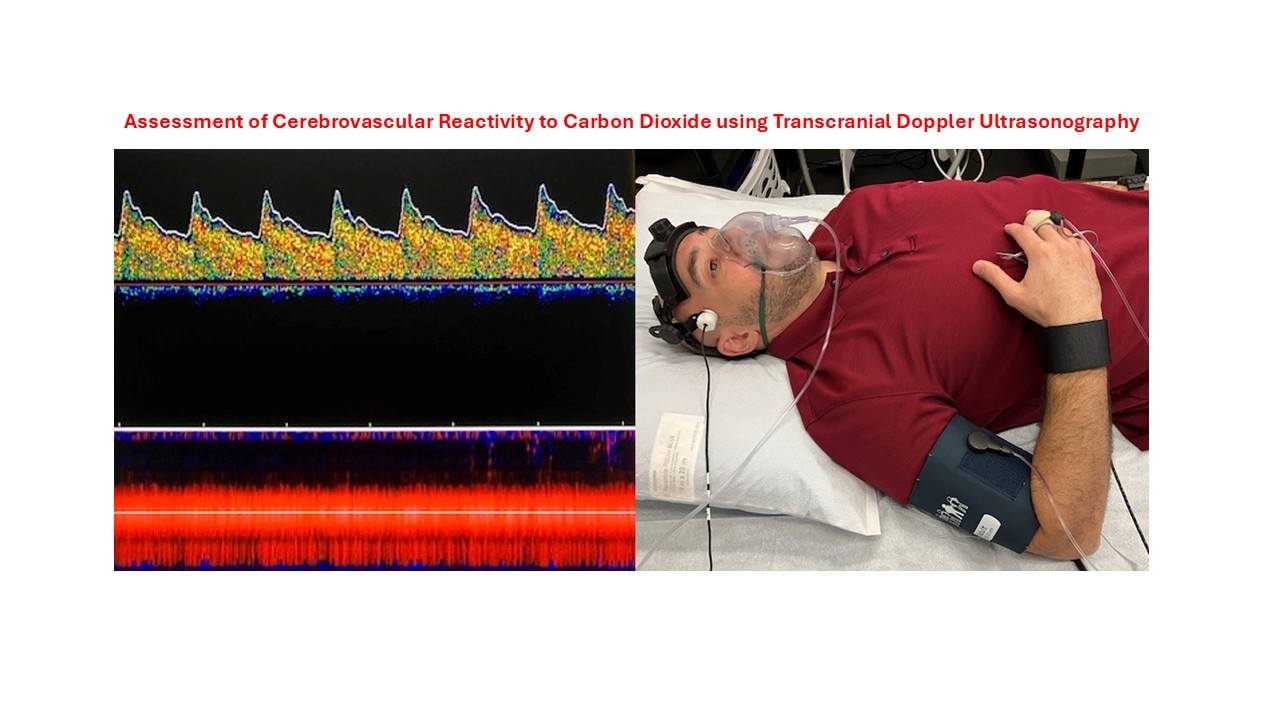
Our lab characterized two key aspects of cerebrovascular health in patients with CKD: the ability of cerebral blood vessels to dilate in response to rising carbon dioxide levels and the ability to maintain relatively stable blood flow during fluctuations in blood pressure. We found that cerebrovascular function remained relatively well preserved in moderate to severe CKD, suggesting that factors beyond the cerebral vasculature may contribute to the elevated risk of stroke in this population.
This work provides important insight into cerebrovascular regulation in CKD and helps refine our understanding of the physiological factors that may contribute to cerebrovascular risk in this vulnerable population.
This project was funded by an American Heart Association Career Development Award, “Cerebrovascular Dysregulation in Chronic Kidney Disease.”
Our lab characterized two key aspects of cerebrovascular health in patients with CKD: the ability of cerebral blood vessels to dilate in response to rising carbon dioxide levels and the ability to maintain relatively stable blood flow during fluctuations in blood pressure. We found that cerebrovascular function remained relatively well preserved in moderate to severe CKD, suggesting that factors beyond the cerebral vasculature may contribute to the elevated risk of stroke in this population.
This work provides important insight into cerebrovascular regulation in CKD and helps refine our understanding of the physiological factors that may contribute to cerebrovascular risk in this vulnerable population.
This project was funded by an American Heart Association Career Development Award, “Cerebrovascular Dysregulation in Chronic Kidney Disease.”
Research Team
Are you interested in joining the team?
Contact Dr. Justin Sprick for more information.
Current Lab Members
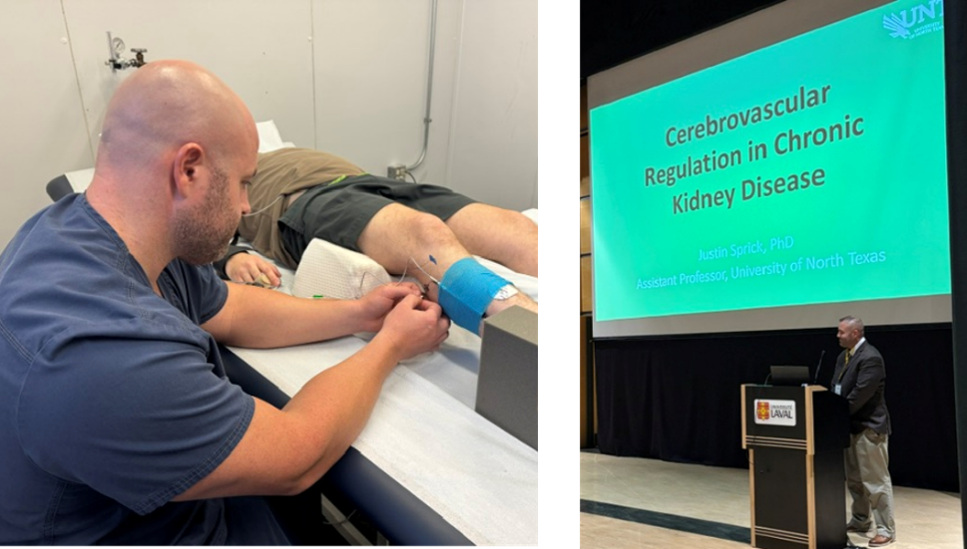
Justin Sprick, PhD
Laboratory Director
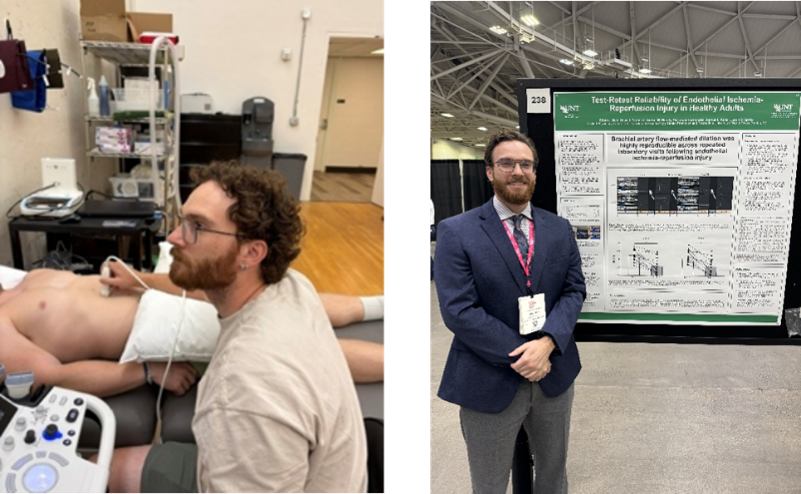
Ethan Hein, MS
Graduate Student Researcher
- Program: Human Performance and Movement Science Ph.D.
- Research area of interest: Exercise Physiology
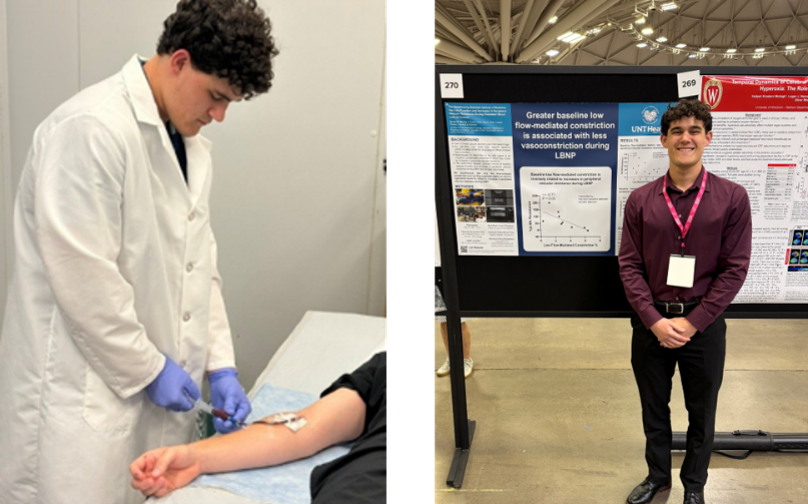
Ayrion Moody
Undergraduate Student Researcher
- Program: Kinesiology B.S.
- Research area of interest: Cardiovascular Physiology
Photo Gallery

Locate Us
Find the most up-to-date UNT campus parking information here.
Physical Education Building (PEB), 1st floor
1921 W Chestnut St.
Denton, Texas 76203